
Safer Gambling Tools Every Rugby Bettor Should Use
 Available in US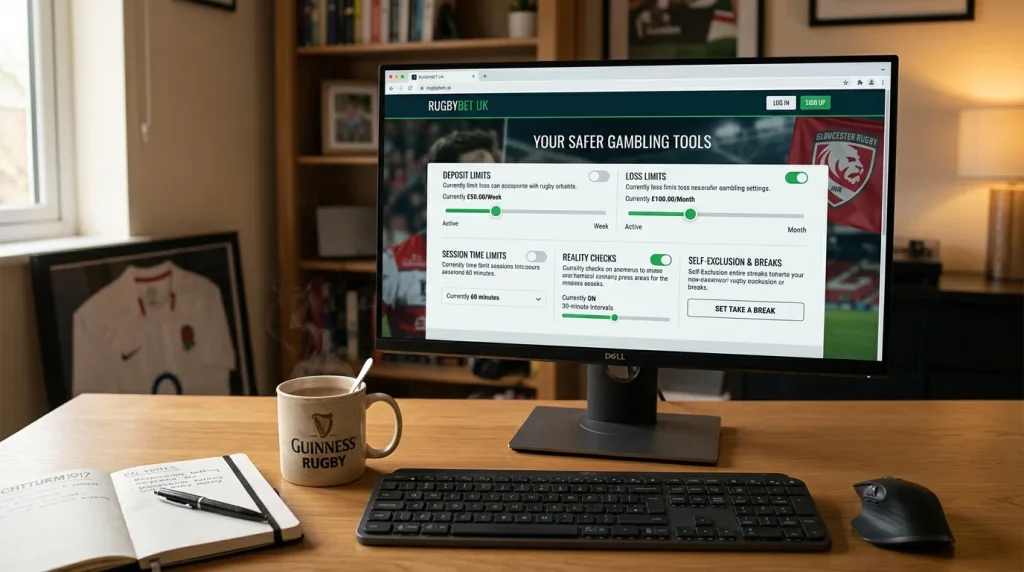
The first time I set a deposit limit and felt better about betting
About four years into serious staking I set a monthly deposit ceiling for the first time. The number was roughly what I had been spending anyway, so I expected nothing to change. What changed was my mindset. Every bet I placed after that moment felt deliberate, because I knew exactly how much room I had left in the month. The discipline I had been trying to impose from outside the bet was now baked into the account itself.
Safer gambling tools are not for people in crisis. They are for everyone. The conversation around them often focuses on the worst-case scenarios, which makes ordinary punters assume the tools are not for them. They are. The cost of using them is essentially zero. The benefit is structural — they convert vague intentions into hard limits, and that distinction matters every weekend a tempting market appears.
What licensed UK operators are required to offer
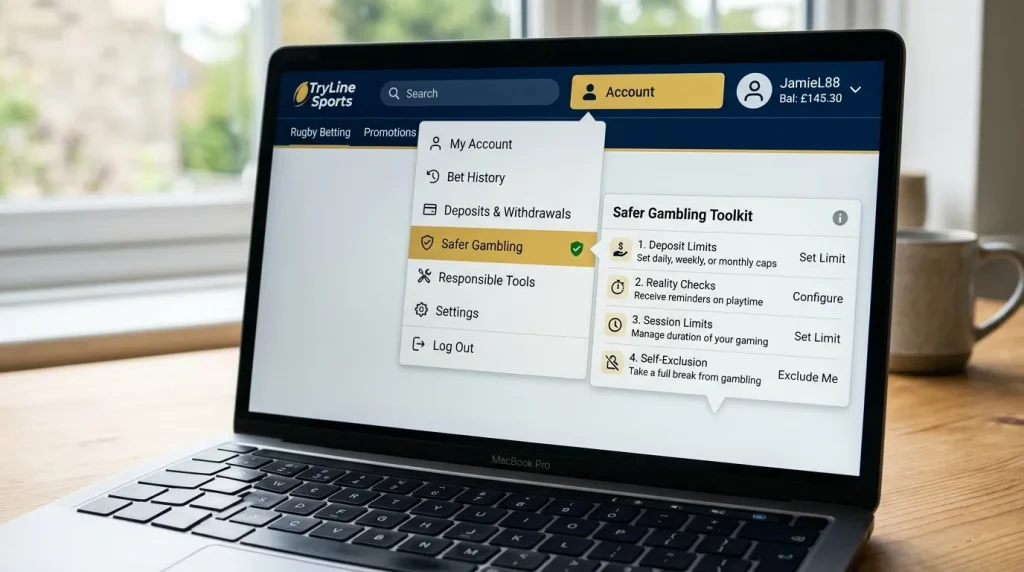
Every UK Gambling Commission licensee must provide a defined toolkit. Deposit limits across daily, weekly and monthly windows. Loss limits across the same windows. Session time limits. Reality checks at customisable intervals. Self-exclusion options of varying durations. Account closure with a stated cooling-off period. Access to GamCare and the National Gambling Treatment Service.
The standard is identical across all licensees. What varies is how easy the tools are to find and use. Some operators put limit-setting two clicks from the homepage. Others bury it five menus deep. The minimum standard exists for a reason — and the operators who make it genuinely easy to set limits are doing more than the rules technically require.
The deposit limit is the single most useful tool
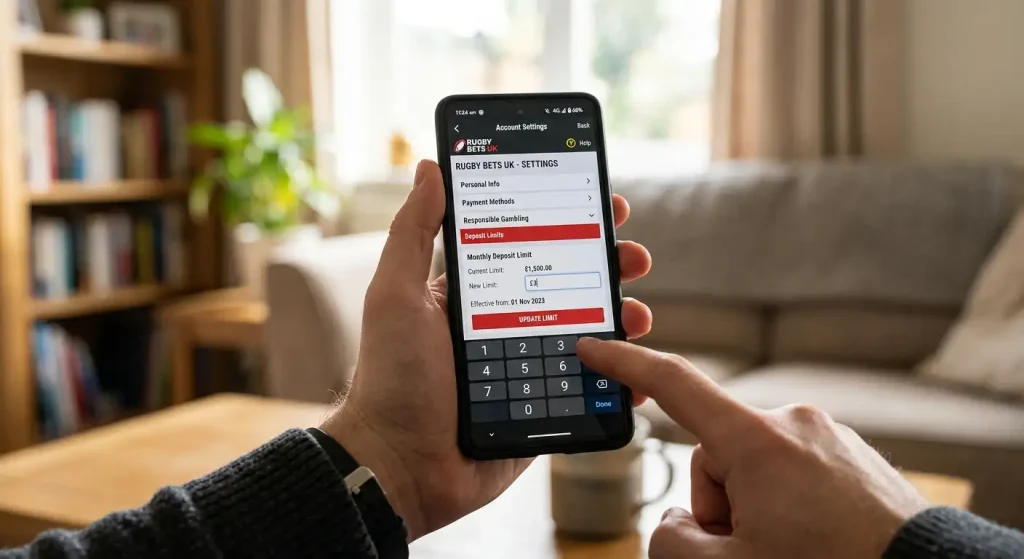
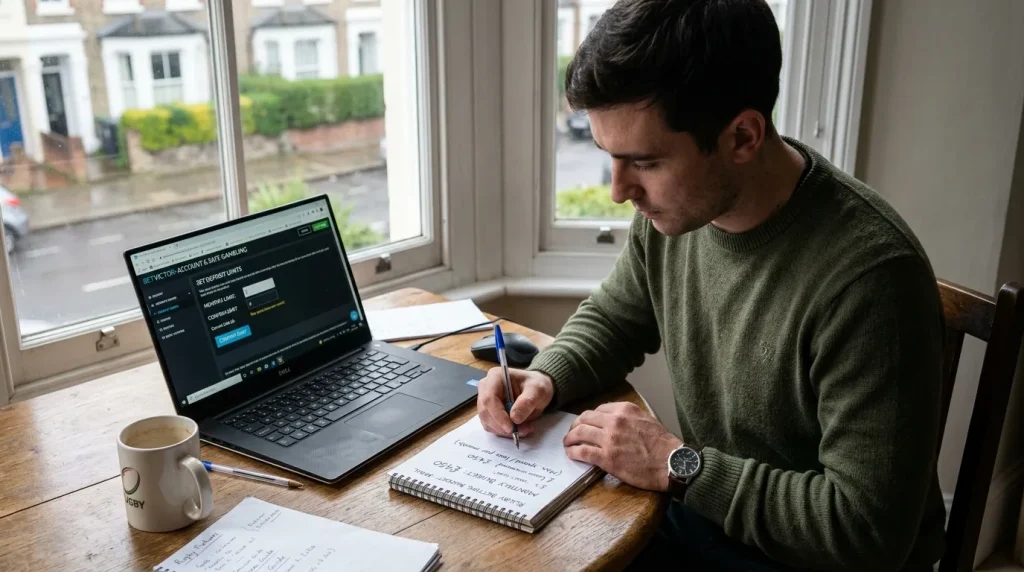
If I could only recommend one safer gambling feature, it would be a monthly deposit limit set slightly below what you can comfortably afford to lose. Not at the level — slightly below. The gap is the discipline. Setting the limit at exactly your comfort threshold means every month you spend it. Setting it below means you have headroom for unusual circumstances and a natural brake on creeping stakes.
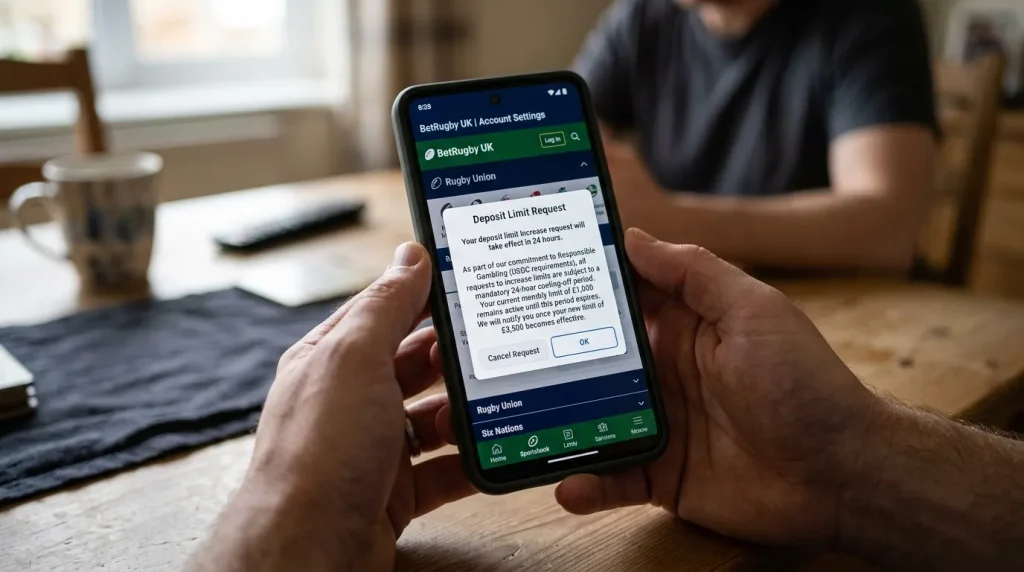
The mechanics are straightforward. You set a number. The operator refuses any deposit that would push you over that number until the next billing window opens. There is a mandatory cooling-off period before any increase takes effect — usually 24 hours — which is the whole point. Heat-of-the-moment top-ups are physically prevented by the platform itself.
Reality checks and why I keep mine on
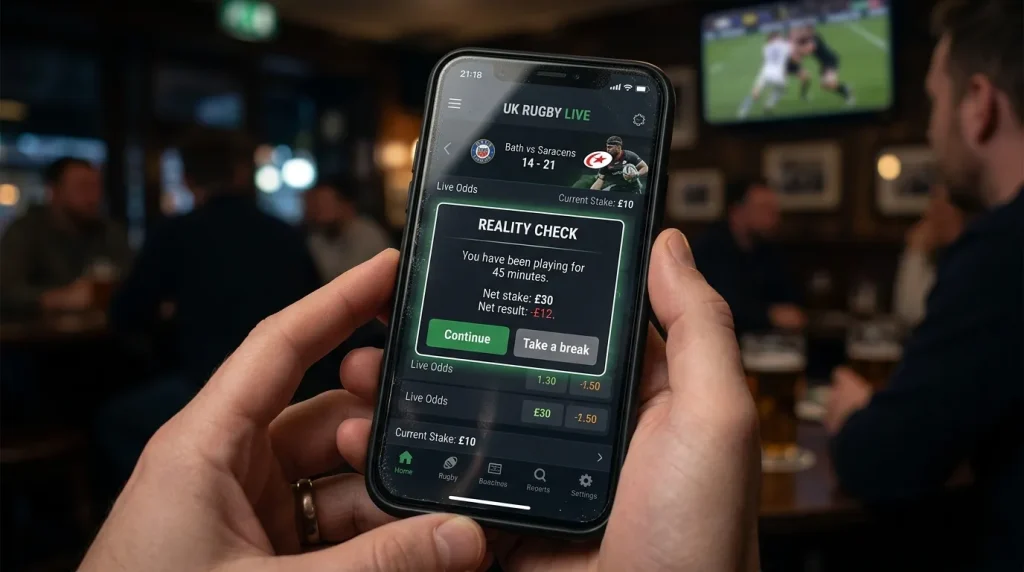
A reality check is a pop-up that interrupts your session at a chosen interval — typically every 30 or 60 minutes — and shows you elapsed time, net stake and net result. Most punters turn it off because it is mildly annoying. I keep it on for exactly that reason. The mild annoyance is the feature.
In-play markets are designed to feel timeless. The clock disappears, the screen updates constantly, every refresh suggests there might be one more bet worth taking. A reality check 45 minutes into a Saturday session telling me I am down 60 quid and have been at it for the entire first half is genuinely useful information. I have walked away from sessions because of that pop-up more often than I would like to admit, and walking away has been the right call every single time.
Time limits and the session principle
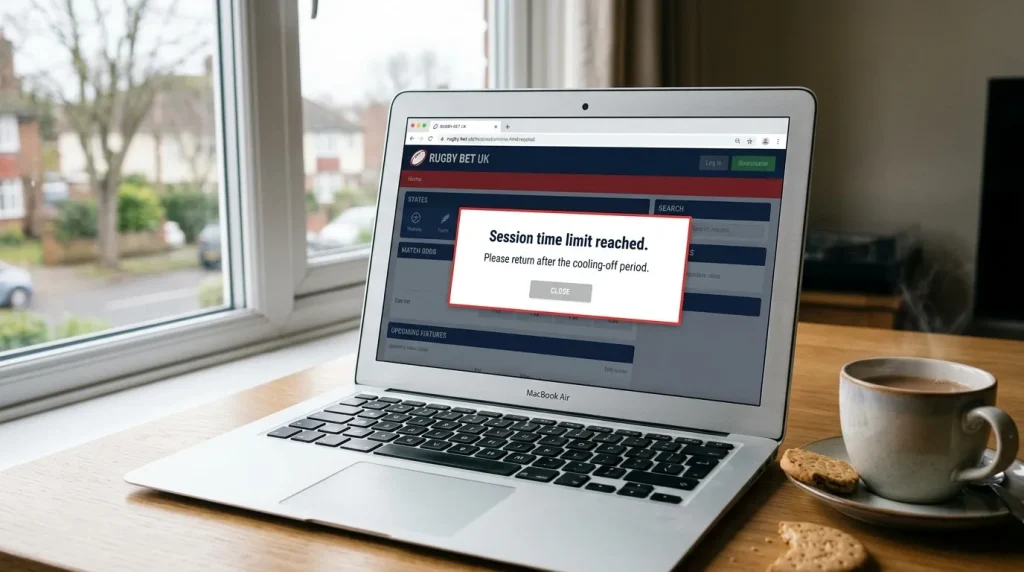
Session time limits cap the length of any single login. Hit the limit, the platform logs you out and refuses re-entry for a defined cooling-off period. The tool is less common than deposit limits, but it is genuinely useful for in-play bettors and anyone who finds themselves on the platform for longer than they intended.
My personal rule is that any sport-day session over two hours should require a deliberate decision rather than passive drift. The time limit enforces that. After two hours I am logged out, and getting back in requires waiting and re-authenticating — enough friction to ensure the decision to continue is conscious rather than automatic. Most weekends I stay logged out.
Self-exclusion options and how they actually work
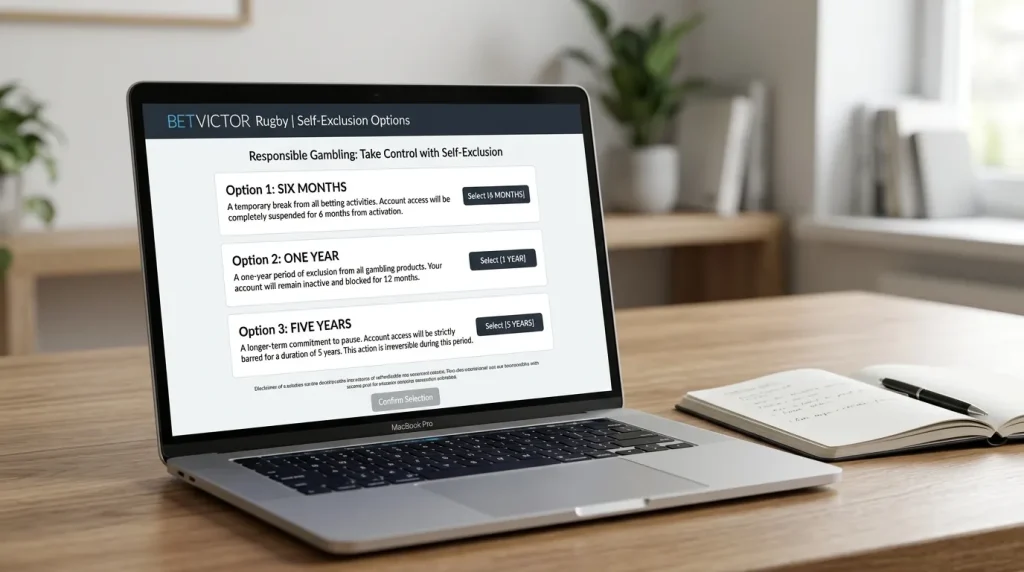
Self-exclusion is the heaviest tool in the standard kit. You ask the operator to close your account and refuse new accounts from you for a defined period — typically six months, one year, or five years. The operator must comply, must not market to you during that period, and must not allow you to re-register.
This is not a casual tool. Once activated, you cannot reverse the decision until the period ends and a further cooling-off window has elapsed. People use it for different reasons — some because they recognise a developing problem, some because they want a defined break from betting after a big loss, some because they are travelling and want their accounts dormant. All of those reasons are legitimate.
If self-exclusion across the wider industry is something you are considering rather than just one operator, the multi-operator route is the GamStop scheme, which excludes you from every UKGC licensed site simultaneously through a single registration.
The financial vulnerability question
UKGC operators are required to identify customers who may be at risk of harm and to intervene proportionately. This is the controversial part of the regulatory framework — the financial vulnerability check. If your stakes rise significantly, if your deposit patterns suggest stress, if you trigger algorithmic flags, the operator may ask for additional information about affordability.
From the customer side this can feel intrusive. From the regulatory side it is necessary. The frame I find useful is that the check exists because operators have, historically, allowed customers to lose far more than they could afford. The fix is uncomfortable but reasonable. If you bet within your means and your deposit limit is set sensibly, you are unlikely to be asked.
Marketing settings and the easy win
One of the simplest safer gambling steps is turning off marketing communications. UK operators are required to honour opt-outs across email, SMS, push notifications and in-app messaging. The opt-out is usually one or two clicks in account settings, and it removes a substantial proportion of the prompts that drive impulse betting.
The single biggest source of impulse bets I see described on forums is push notifications during a fixture — “boosted price ending in 10 minutes” type messages. Turning these off removes the urgency manufacturing entirely. The bets you place without that pressure are almost always better than the ones you place because of it.
The principle of intentional betting
The toolkit only works if you actually use it. Setting a deposit limit you immediately request to increase, turning on a reality check then dismissing every pop-up, scheduling a session limit then logging back in immediately — none of these achieve anything. The tool is a commitment device, and commitment devices only work if you respect them.
I think about it like a meal plan. The plan exists to remove the daily decision about what to eat. The discipline is not the plan itself, it is the rule that you follow the plan rather than improvising. Safer gambling tools are the same — the discipline is honouring the limits you set when you were calm, not the act of setting them in the first place.
External support and how to access it
If the operator-side tools are not enough, the National Gambling Treatment Service offers free, confidential support across the UK. The service is funded through the Levy on operators and is independent of the gambling industry. GamCare runs the National Gambling Helpline at 0808 8020 133, available 24 hours a day. GambleAware provides educational resources and signposts to local treatment options.
None of these services charge anything. None require referrals. All are confidential, and using them does not appear on any betting record. The single biggest barrier to people seeking help is the assumption that the situation has to be catastrophic before contact is appropriate. It does not. The services are designed for the full spectrum, from people experiencing minor concerns to those in serious difficulty.
The tools as part of the bet, not a separate conversation
The framing I have come to over nine years is that the limits and the bet are the same exercise. Deciding what to stake on a Six Nations weekend and deciding what to deposit that month are the same decision viewed at different scales. The bet is the move. The limit is the framework that makes sure the move sits inside something coherent.
Most experienced bettors I know operate this way without thinking about it as safer gambling. They have a bankroll, a stake-size discipline, a clear stop point for the session. The tools simply formalise what good practice looks like and make it impossible for the platform to override it in the moment. Treating the toolkit as something separate from betting itself is a category error — they are the same activity, and the activity works best when they are integrated from the start.
Which safer gambling tools should I set up first?
A monthly deposit limit set slightly below your comfortable maximum, marketing opt-outs across all channels, and a reality check at 30 or 60 minute intervals. Those three take five minutes total and remove most of the friction that drives impulse betting.
Will using safer gambling tools affect my account standing?
No. Setting limits, opting out of marketing or scheduling reality checks has no negative effect on your account. Licensed UK operators are required to provide these features and cannot penalise customers for using them.
What is the difference between a limit and self-exclusion?
A limit caps a specific behaviour — how much you can deposit, lose, or how long you can stay logged in — while leaving the account active. Self-exclusion closes the account entirely for a defined period and prevents new account creation with the same operator. Limits are everyday hygiene; self-exclusion is a deliberate break.
Articles
Published by the Rugby Betting Sites team.
