
The UKGC Licence and What It Actually Guarantees You
 Available in US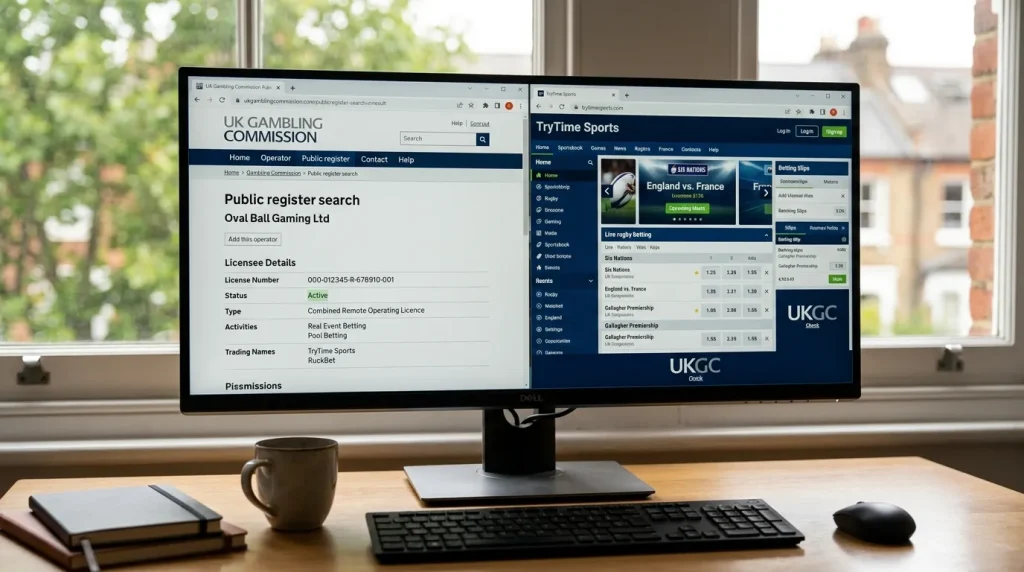
The five seconds at the bottom of every UK betting page
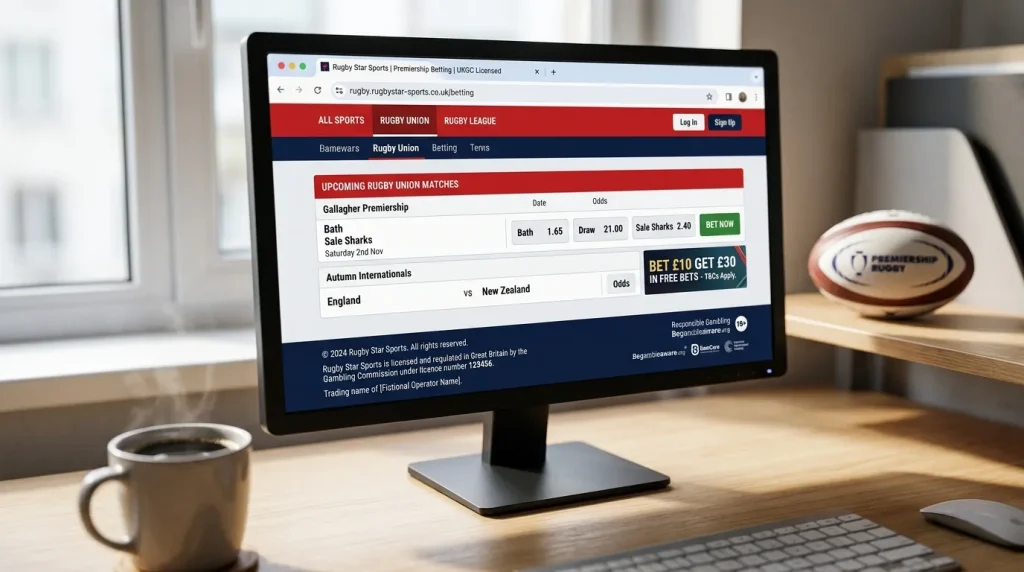
Every regulated UK operator carries a footer line that names the UK Gambling Commission, gives a licence number and links to a live verification page. Most punters never click it. I do, every time I open an account, and the habit has saved me from two operators that were either trading without a current licence or trading on a partner licence that did not cover the markets they were offering.
The licence is not decorative. It is the legal mechanism that decides whether your deposit is your money or someone else’s. Nine years of betting in the UK has convinced me that the single most important question about any operator is not the price list or the bonus — it is what their UKGC entry actually says. That entry is public, free to read, and updated in real time.

What the licence actually does
A remote operating licence gives an operator legal permission to take bets from UK customers. It is granted only after the Commission has reviewed the company’s directors, the source of its funding, its anti-money-laundering controls, its responsible gambling tools and its complaints procedure. Holding a licence means the operator has committed in writing to maintain those standards.
It also means the operator is legally bound to keep customer funds segregated to a defined standard, to settle bets according to published rules, to verify identity before paying out, and to participate in dispute resolution through an approved third party. None of this is voluntary. Breaches result in fines, in some cases in licence suspension or revocation, and in serious cases the directors can be personally barred from holding future licences.
The scale of the regulated market
The UK regulated gambling industry generated £15.6 billion in gross gambling yield in 2024 across all licensed operators. As the chief executive of the Commission put it, “The Commission has been working to ensure that the industry is well regulated and that consumers are protected.” That single sentence is the framing for every rule that follows from the licence regime.
Around 2,262 licensed operators were on the public register at the most recent count. The vast majority you have never heard of — B2B suppliers, software platforms, payment processors. The consumer-facing brands are a much smaller subset, perhaps a few hundred active in the UK at any given time. Each carries the same baseline obligations regardless of size.

Checking a licence in under a minute
The Commission runs a public register at the gov.uk domain. Type the operator name into the search box and a record appears with the current status, the trading names it uses, the activities it is licensed for, the date the licence was granted, any conditions attached, and any enforcement action taken against it. The whole check takes less than a minute.
Three things are worth looking at. First, status — is the licence current and active. Second, activities — is the operator licensed for the markets they are offering you. A licence for casino does not cover sports betting, and a licence for betting intermediary does not cover acting as principal. Third, conditions — has the Commission attached restrictions, and if so why. Conditions usually follow enforcement action, and they tell you something about the operator’s recent history.

The white-label trap and what it means for you
Many smaller brands operate as white labels on a licensed operator’s platform. The customer-facing site is one brand, the actual licence holder is another. This is legal, but it changes who you are dealing with. Your contract is with the licence holder, not the front-end brand, and complaints have to go through the licence holder’s procedures.
I check the footer of any new operator to confirm both the trading name and the licence-holder name. If the licence holder is a company I do not recognise, I look them up separately. White labels are not inherently dodgy, but the failure rate is higher than for direct licensees and the customer support quality is more variable. Knowing who actually holds your money is basic due diligence.

What happens when something goes wrong
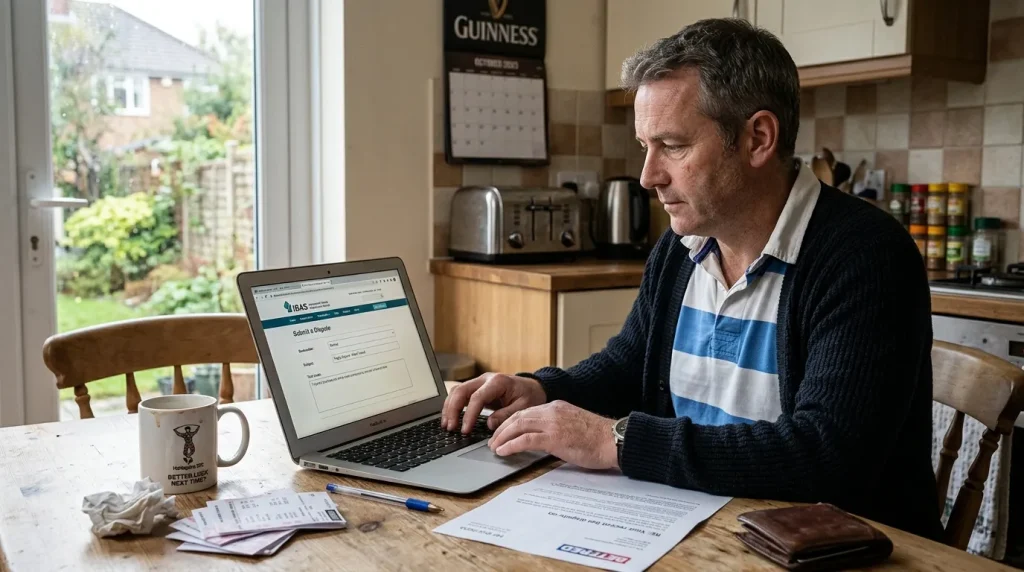
The dispute resolution route is the single feature of the licence that matters most when you actually need it. Every licensed operator is required to be a member of an Alternative Dispute Resolution scheme — usually the Independent Betting Adjudication Service or eCOGRA. If you have a complaint, you must first exhaust the operator’s internal procedure. If that fails, you escalate to the ADR, which makes a binding decision.
This works. Most operator-customer disputes are resolved at the internal stage. Of those that reach ADR, a meaningful proportion are decided in the customer’s favour, particularly where bet settlement, account closure or withheld winnings are at issue. The whole process is free for the customer. None of it is available to you if the operator is unlicensed — and many of the offshore sites that target UK punters are not.
Why offshore alternatives look attractive and aren’t
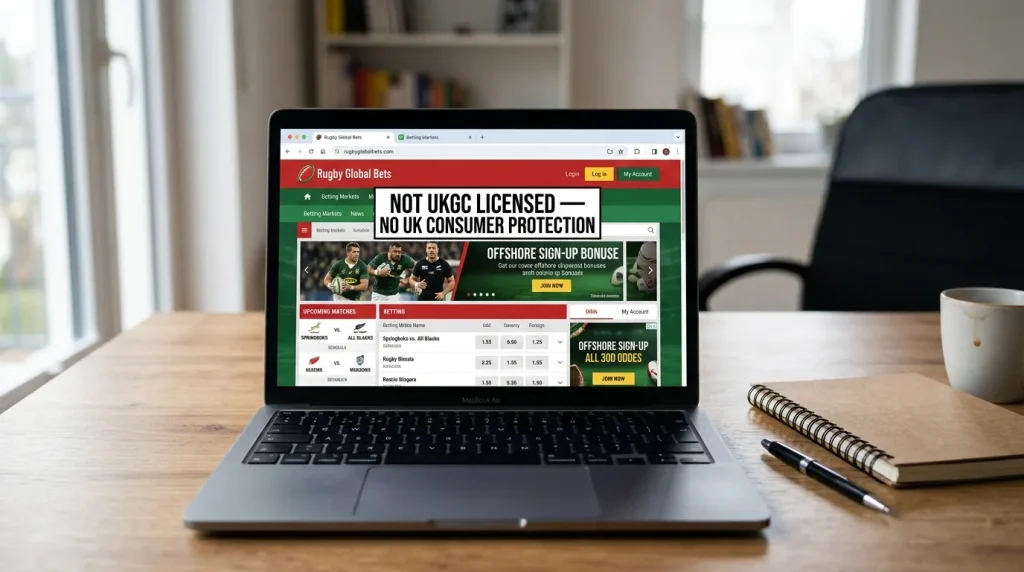
Offshore operators advertise more generous bonuses, looser identity checks and higher stake limits. The price you pay for those features is the removal of every protection the licensed system provides. Deposits are not legally segregated. Bet settlement is at the operator’s discretion. There is no dispute resolution that has any standing in UK law. If the operator decides to void winnings, close your account or simply stop responding, you have no recourse.
I have read enough horror stories on consumer forums to know how this ends. The good operators offshore are usually fine until they aren’t. The mediocre ones leak slowly through poor support and confiscated winnings. The bad ones disappear. The UKGC system is imperfect, but it is the difference between having a complaint that someone has to address and having a complaint that nobody is obliged to listen to. This matters more than any bonus, which is why I cover it before getting into the safer gambling tools the licence requires.
The specific rugby implications
UK licensed operators are required to follow specific market integrity protocols on sports betting. They are signatories to the Sports Betting Integrity Forum, share suspicious betting data with the relevant governing bodies, and apply the same know-your-customer standards to betting accounts that they would to financial accounts. For rugby specifically, this means alerts on unusual betting patterns are shared with the RFU and World Rugby through formal channels.
It also means the operator cannot offer markets the Commission has flagged as integrity risks. Spot bets on minor in-game events that historically attracted match-fixing concerns have been progressively restricted. The result is a slightly narrower market than what you might find offshore — but the markets that remain are the ones with genuine integrity oversight behind them.
Advertising standards and what you should not be promised
The Committees of Advertising Practice have published detailed rules on gambling advertising that licensed UK operators must follow. Promotions cannot be promoted in ways that pressure customers into betting more than they intend, cannot target under-25s, cannot use celebrity endorsements that appeal to under-18s, and cannot present gambling as a route to financial success.
If you see an operator promising consistent profits, guaranteed wins, or insider information, they are either breaking the rules or operating outside the regulated market. The Advertising Standards Authority publishes regular adjudications against operators who cross these lines. The pattern of advertising you see from an operator is itself a signal about whether they are taking the rules seriously.
The funds protection rating that nobody reads
Licensed operators must disclose how they protect customer funds. The standard categories are Not Protected, Medium Protection and High Protection. Most consumer-facing brands sit at Medium, which means funds are held in segregated bank accounts but not in trust. High Protection means funds are held in trust, ringfenced from operator creditors in the event of insolvency.
This disclosure is usually buried in the terms and conditions or on a dedicated funds protection page. It is worth reading. If you regularly carry a meaningful balance with an operator, the difference between Medium and High Protection is significant in a worst-case scenario. Several operators have failed over the last decade and the customers of Medium-Protection operators have generally recovered less than the full balance.
What the licence cannot fix
Regulation does not make you a better punter. It does not guarantee you win, it does not stop the operator from refusing your bet, it does not make every market sharp. What it does is ensure that the framework around your bet is honest — that the money is real, the settlement follows the rules, and the complaint system actually exists. The rest is on you.
I treat the UKGC licence as the floor, not the ceiling. Below it I do not bet. Above it I evaluate operators on the things that licensing does not control — pricing, market depth, withdrawal speed, customer service quality. The licence is the entry ticket. What you do inside the room is up to you, and that is exactly how a healthy regulated market is supposed to work.
How do I check if a rugby betting site has a UKGC licence?
Visit the Gambling Commission"s public register on the gov.uk website and search the operator"s name. The entry shows current status, licensed activities, conditions and enforcement history. The check is free and takes less than a minute.
What protection does a UKGC licence actually give me?
It commits the operator to segregated customer funds, transparent bet settlement, identity verification, anti-money-laundering controls, responsible gambling tools, and binding alternative dispute resolution through an approved third party. None of these protections exist with unlicensed operators.
Are offshore rugby betting sites legal for UK customers?
Operators marketing to UK customers without a UKGC licence are operating outside the regulated market. UK customers using them have no statutory consumer protections, no segregated funds guarantee, and no recourse to UK dispute resolution. The cost-benefit almost never favours offshore sites.
Articles
Written by the editors at Rugby Betting Sites.
